Explore Britain with Ben Trip — from famous landmarks to hidden gems, scenic road trips and places you may never have thought of visiting. Choose a destination and start planning your next adventure.
Sccotland
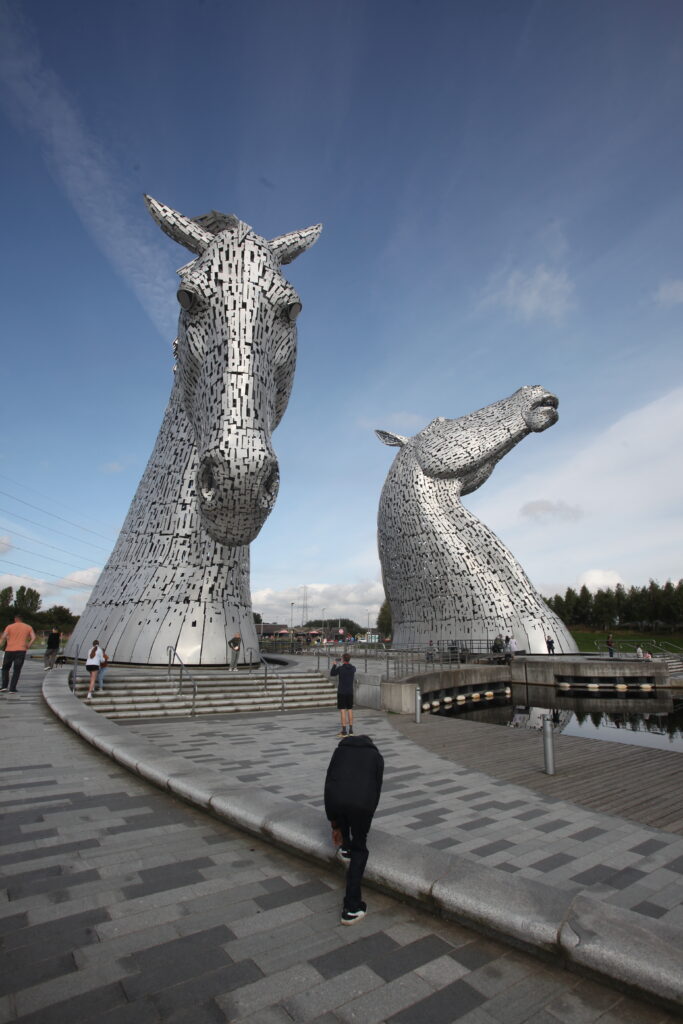
The Kelpies, Falkirk, Scotland
The Kelpies, Falkirk
Standing beside the Forth and Clyde Canal, The Kelpies are two magnificent 30-metre-high horse-head sculptures and one of Scotland’s most striking modern landmarks
Why visit: The Kelpies are one of Scotland’s most impressive modern landmarks and make a spectacular photography stop, particularly in the early morning or around sunset.
Good to know: The Kelpies are at Helix Park near Falkirk. There is parking on site, walking routes around the sculptures and the nearby canal, and plenty of opportunities to photograph the Kelpies from different viewpoints.
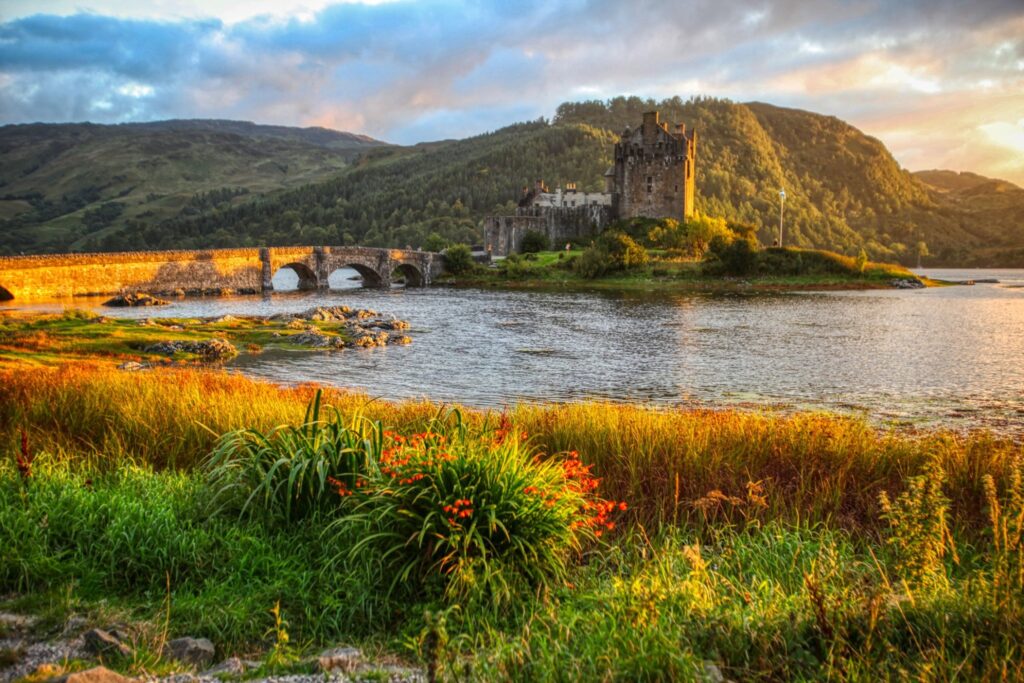
Eilean Donan Castle, Kyle of Lochalsh, Scotland
Eilean Donan Castle
Set where three great sea lochs meet amid the magnificent scenery of the Scottish Highlands, Eilean Donan Castle is one of Scotland’s most recognisable and photographed landmarks.
Why visit: The combination of the historic castle, stone bridge, surrounding mountains and changing Highland light makes Eilean Donan a wonderful place to visit — and an exceptional location for photography.
Ben Trip tip: Allow time to explore different viewpoints around the loch. The castle can look completely different as the light and weather change, so don’t put the camera away after taking the obvious photograph!
England
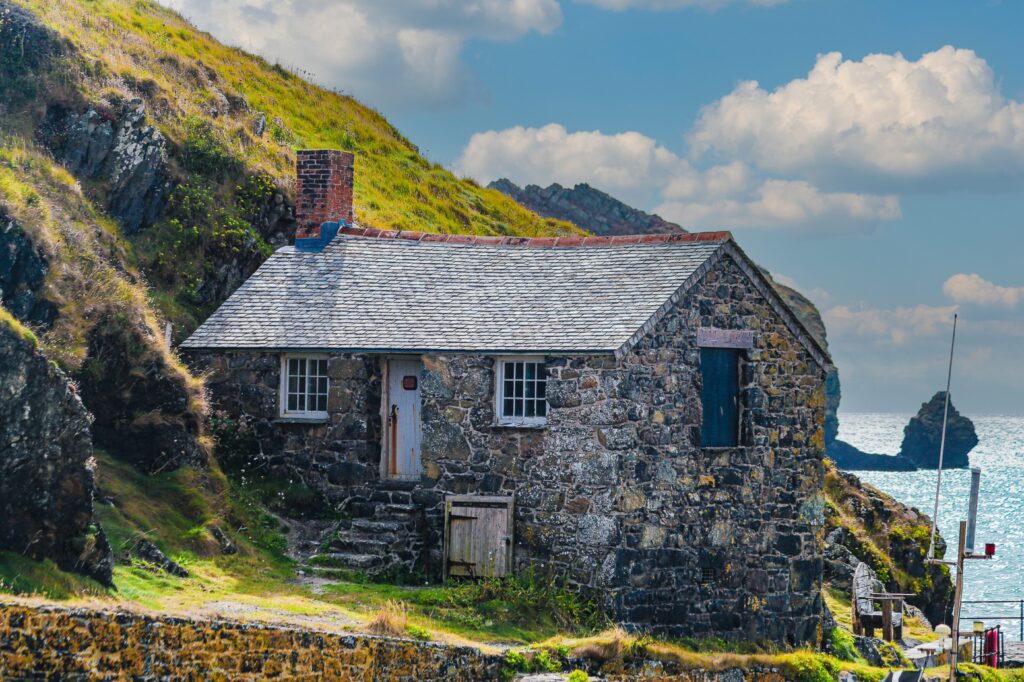
Mullion Cove, Cornwall
Mullion Cove
Tucked beneath the dramatic cliffs of the Lizard Peninsula, Mullion Cove is a wonderfully atmospheric corner of Cornwall, with its historic harbour, rugged coastline and traditional stone buildings.
Why visit: Mullion Cove offers exactly the sort of combination Ben Trip is looking for — spectacular coastal scenery, local character, history and plenty of photographic opportunities.
Ben Trip tip: Don’t photograph only the harbour. Look around at the old buildings, cliff paths, boats, stonework and smaller details that tell the story of this traditional Cornish cove.
England
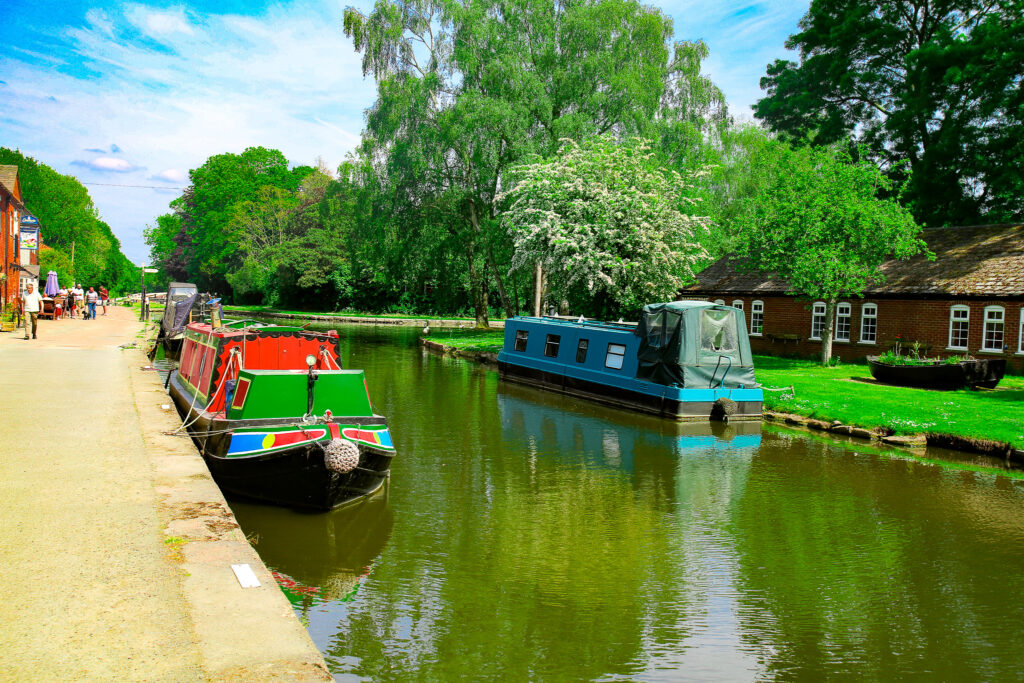
Fradley Junction, Staffordshire
Fradley Junction
Fradley Junction is one of the Midlands’ most attractive canal locations, where the Trent & Mersey Canal meets the Coventry Canal. Colourful narrowboats, historic locks and waterside walks make it an enjoyable place to explore.
Why visit: Fradley offers a fascinating glimpse of Britain’s canal heritage. Watch boats negotiate the locks, stroll beside the water or simply find a peaceful spot and enjoy the passing narrowboats.
Ben Trip tip: Take your time with a camera here. Narrowboats passing through the locks provide plenty of photographic opportunities, while reflections on calm water can produce some lovely compositions.
Wales
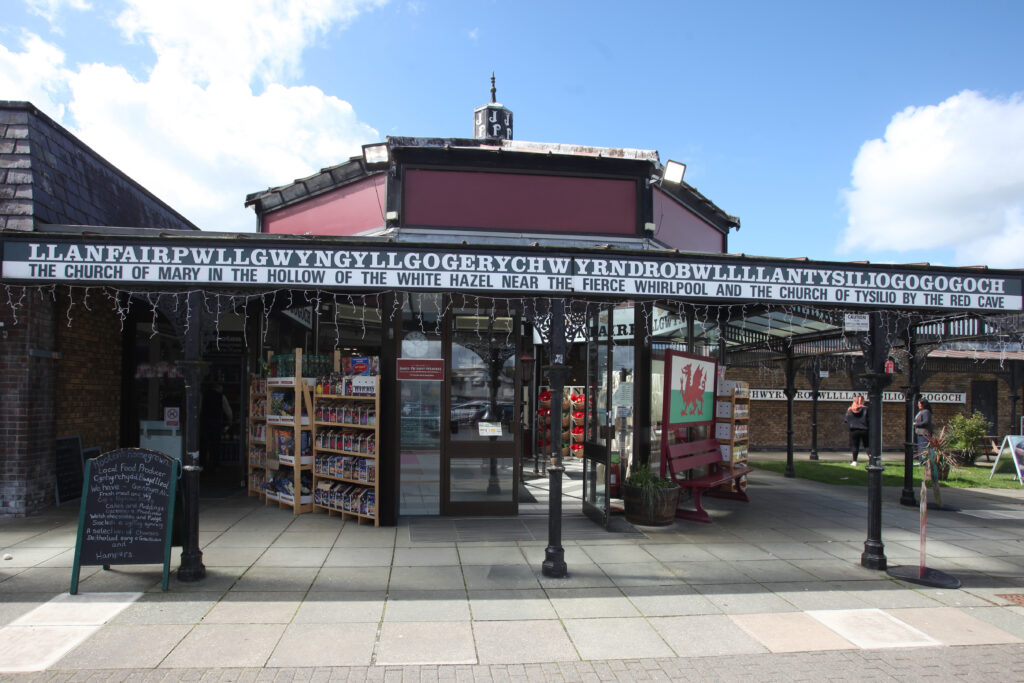
Llanfairpwllgwyngyll, Anglesey, Wales
Llanfairpwllgwyngyll
Famous around the world for its extraordinarily long name, Llanfairpwllgwyngyll on the Isle of Anglesey has become one of Wales’s most unusual visitor stops. The railway station’s famous sign has probably appeared in more holiday photographs than anyone could count.
Why visit: Come for the name, but use it as an excuse to explore Anglesey. The island offers beautiful coastlines, historic sites, picturesque villages and some wonderful Welsh scenery.
Ben Trip tip: Before attempting to pronounce the full 58-character version, make sure nobody nearby is holding a stopwatch. And whatever you do, don’t ask Ben to spell it from memory!
England
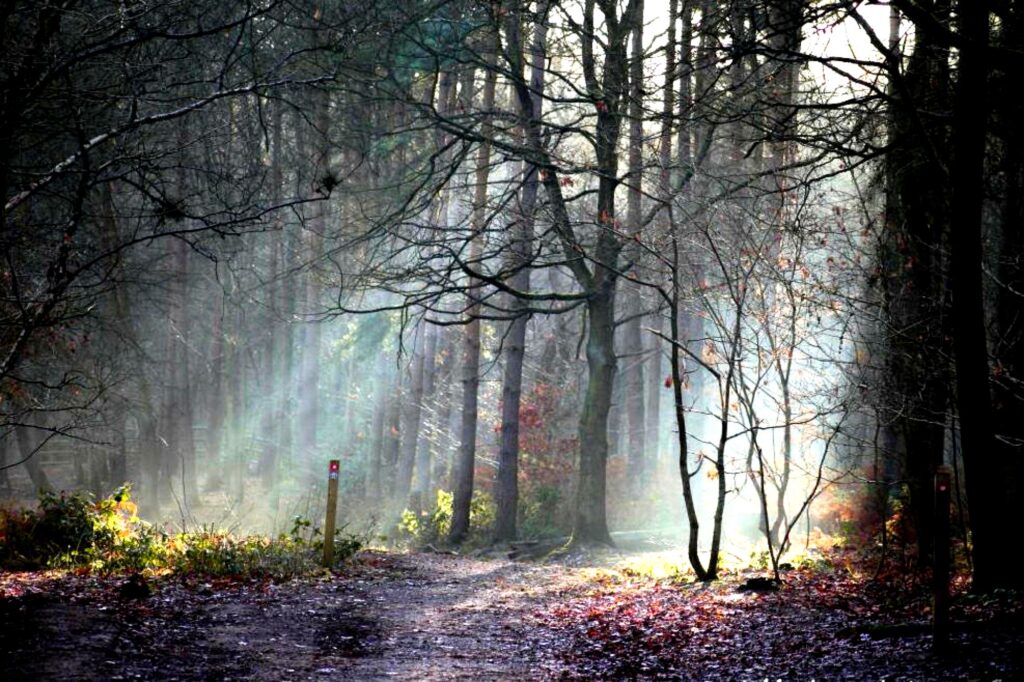
Hartshill Hayes Country Park, Warwickshire
Hartshill Hayes
Sometimes the best places don’t need a famous landmark. At Hartshill Hayes, woodland paths wind through more than 100 acres of countryside, with changing light, mature trees and peaceful views making every walk a little different.
Why visit: Hartshill Hayes is the sort of place to slow down and simply enjoy being outdoors. Its woodland trails make an excellent escape from the busier attractions of the Midlands.
Ben Trip tip: Woodland photography is all about the light. Look for moments when sunlight breaks through the trees — as it did here — and suddenly an ordinary woodland path can become something rather special.
England
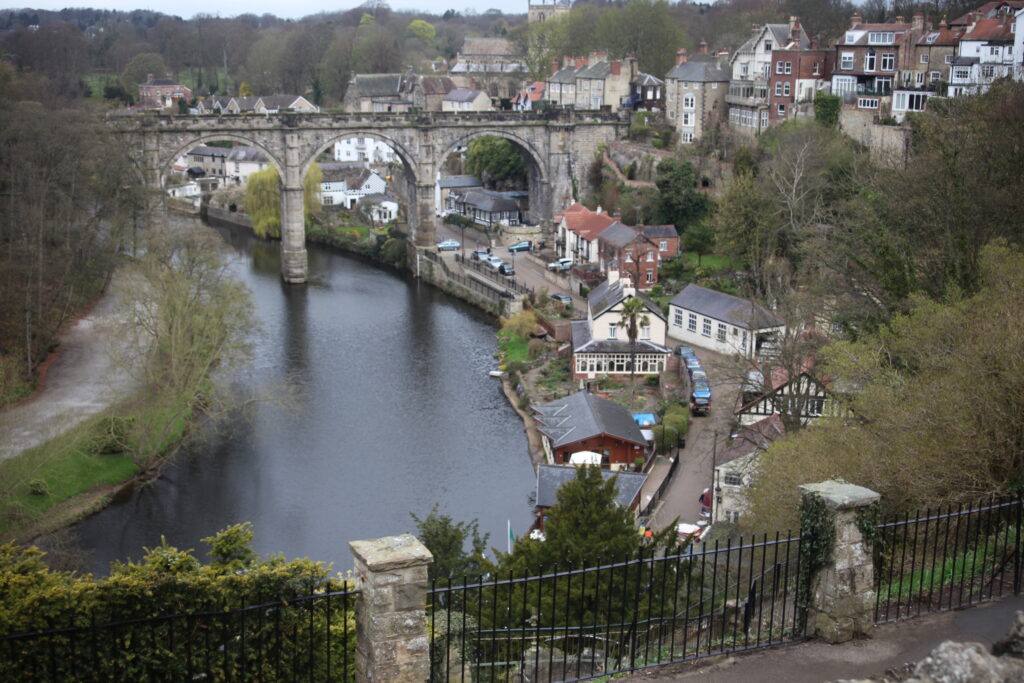
Knaresborough, North Yorkshire
Knaresborough
Perched above the River Nidd, Knaresborough is one of North Yorkshire’s most picturesque towns. Its dramatic railway viaduct, riverside walks, historic streets and views from the castle make it a particularly rewarding place to explore.
Why visit: Knaresborough combines history, architecture and beautiful river scenery in a remarkably compact area. Walk beside the Nidd, explore the town above, and enjoy some wonderful views of the viaduct spanning the valley.
Ben Trip tip: Don’t just photograph the famous viaduct from river level. Climb up towards Knaresborough Castle and look back across the valley — the higher viewpoint reveals the river, viaduct and hillside town together and gives a completely different photograph.
Scotland
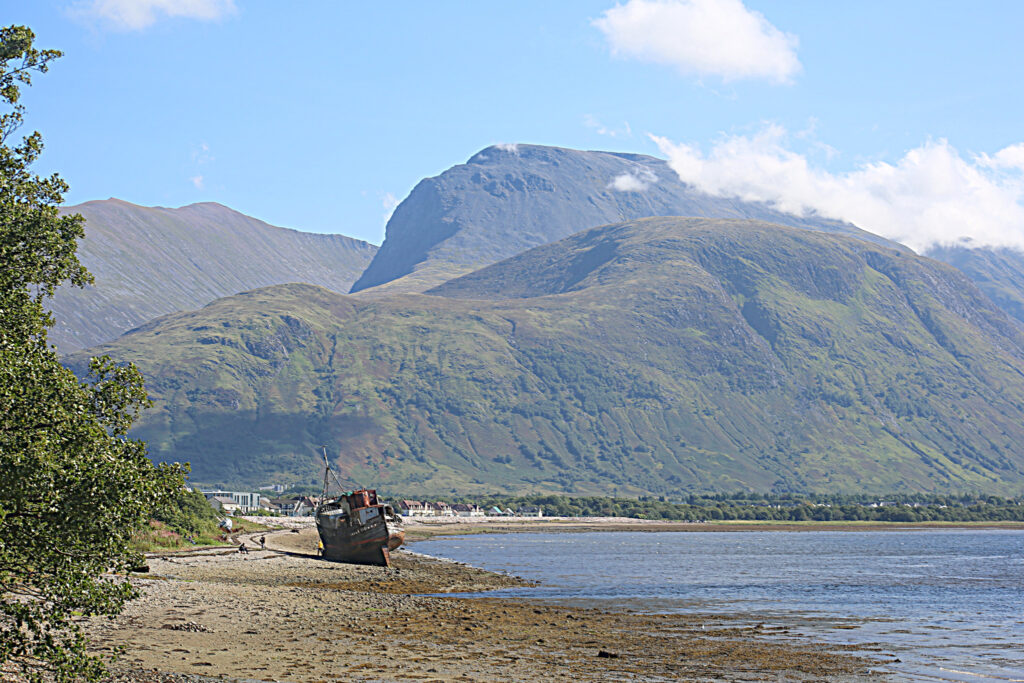
Corpach, Fort William, Scottish Highlands
Ben Nevis and the Corpach Wreck
Rising dramatically above Fort William, Ben Nevis provides an extraordinary backdrop to the shoreline at Corpach. In the foreground lies the weathered remains of an old fishing vessel, creating one of the area’s most distinctive photographic views.
Why visit: The Fort William area combines some of Scotland’s grandest mountain scenery with lochs, canals, woodland and fascinating reminders of its maritime and industrial past. You don’t have to climb Britain’s highest mountain to appreciate just how impressive it is.
Ben Trip tip: The Corpach wreck makes a wonderful foreground for photographs of Ben Nevis. Try including plenty of the surrounding landscape rather than concentrating entirely on the wreck — on a clear day, the enormous mountain behind it is really the star of the picture.
Wales
Aberystwyth to Devil’s Bridge, Ceredigion, Wales
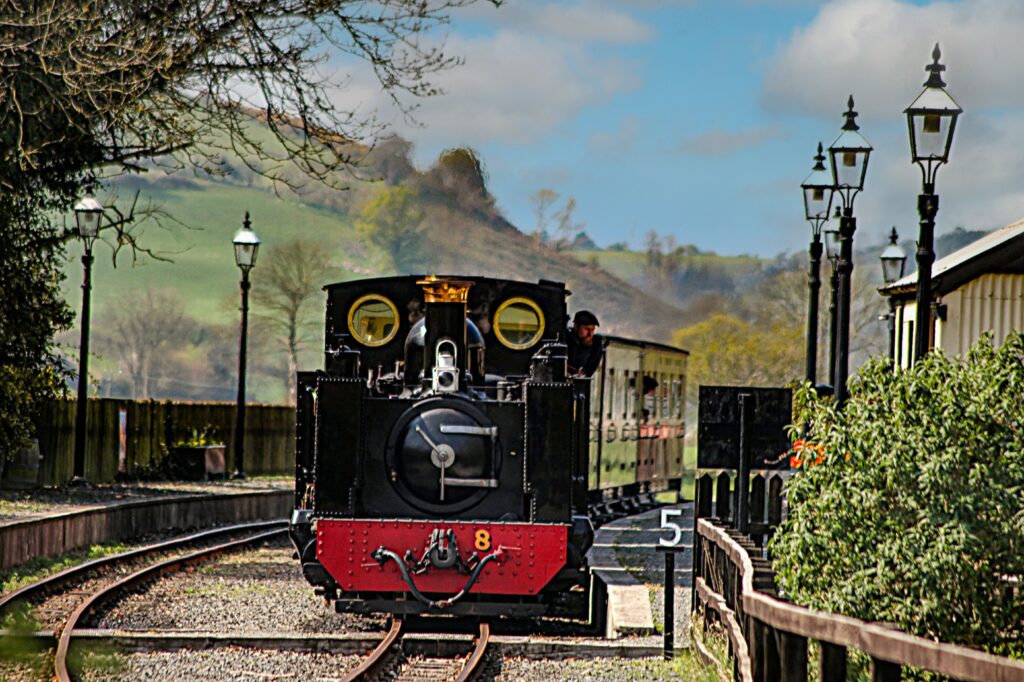
Vale of Rheidol Railway
Running from the seaside town of Aberystwyth into the Cambrian Mountains, the Vale of Rheidol Railway offers one of Wales’s classic steam railway journeys. The narrow-gauge line winds through the beautiful Rheidol Valley before reaching Devil’s Bridge.
Why visit: The railway combines steam heritage with some wonderful Welsh scenery. The journey itself is the attraction, with wooded hillsides, steep valleys and changing views as the train climbs inland from Aberystwyth.
Ben Trip tip: Don’t put the camera away when the train stops. Stations, locomotives, crews, old railway details and those moments when the steam catches the light can produce photographs every bit as interesting as the views from the carriage.
Enland
Bodinnick, Cornwall
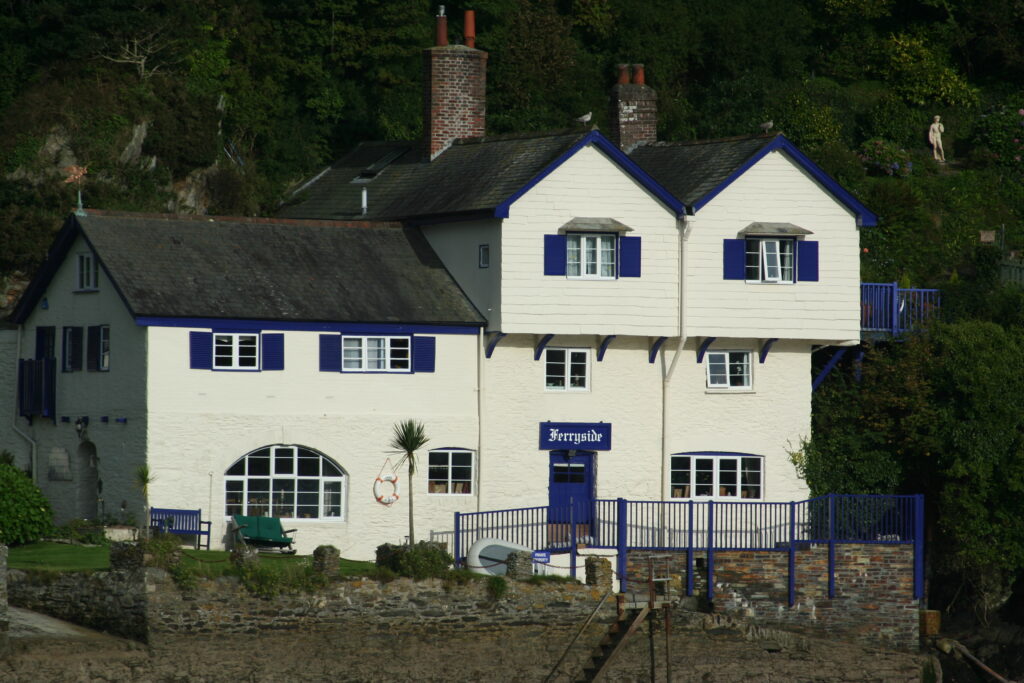
Ferryside, Bodinnick
Standing beside the River Fowey at Bodinnick, Ferryside became the du Maurier family’s Cornish holiday home in the 1920s. It was here that the young Daphne du Maurier found inspiration in the surrounding river, boats and maritime community and wrote her first novel, The Loving Spirit.
Why visit: Bodinnick offers a quieter glimpse of Cornwall, with the river, ferry and steep wooded surroundings creating a wonderfully atmospheric setting. Ferryside also adds a fascinating literary connection to a landscape that became enormously important in Daphne du Maurier’s life and writing.
Ben Trip tip: Look beyond the famous Cornish beaches. Places such as Bodinnick show how much history can be hidden in an apparently ordinary riverside scene. Sometimes knowing the story behind a building completely changes the photograph.
Isle of Wight
Totland Bay, Isle of Wight
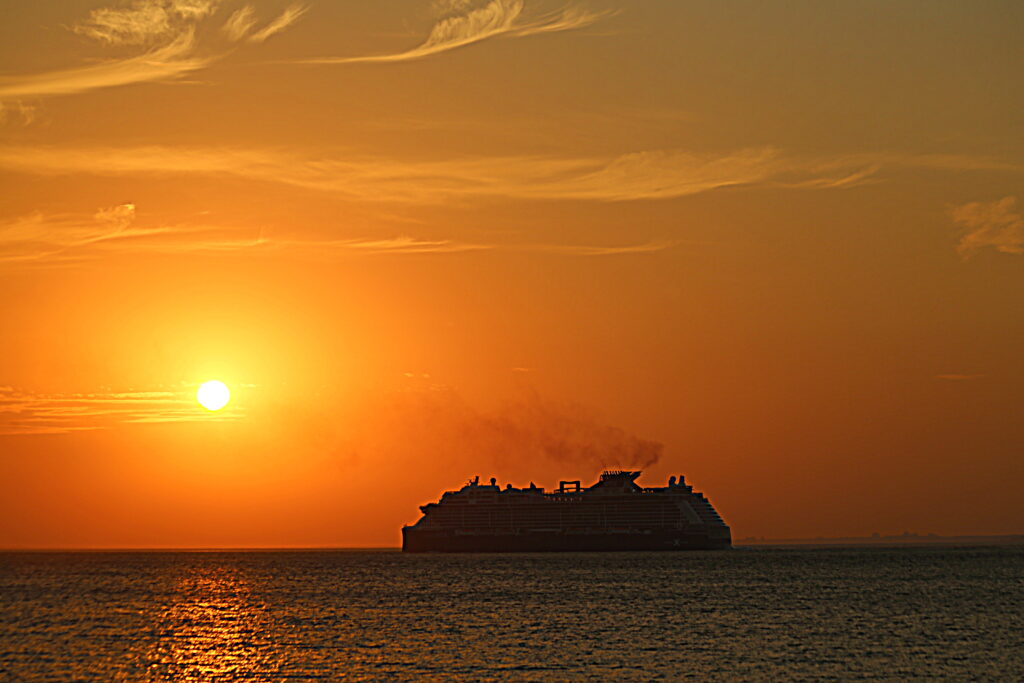
Sunset over Totland Bay
On the western edge of the Isle of Wight, Totland Bay looks out towards some wonderful evening skies. Here, a cruise liner heads out to sea as the setting sun turns the sky and water a remarkable shade of gold.
Why visit: Totland Bay offers something quieter than many of the Island’s better-known attractions — a beach, coastal walks and expansive views across the water. Stay into the evening and the west-facing location can reward you with a memorable sunset.
Ben Trip tip: Don’t pack the camera away just because the day’s sightseeing is over. Sometimes the best photograph of the day arrives when you’re doing absolutely nothing except watching the sun go down.
Scotland
Gairlochy, Scottish Highlands
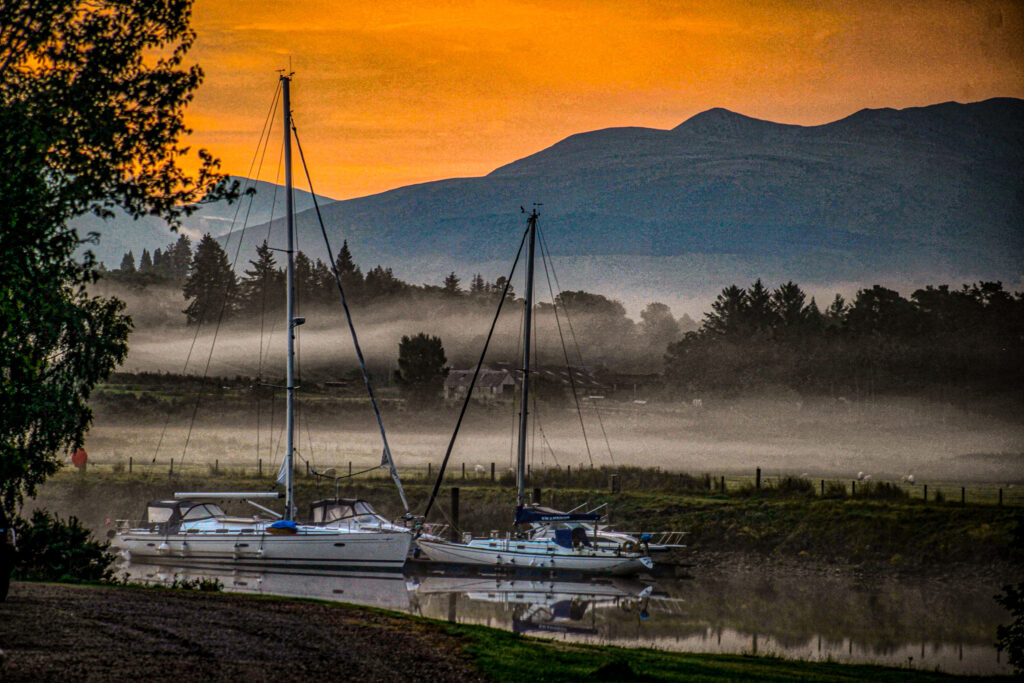
Dawn at Gairlochy
Introduction: At the southern end of Loch Lochy, Gairlochy is a wonderfully peaceful stopping point on the Caledonian Canal. At dawn, with boats lying quietly on the water and mist drifting across the landscape, the Great Glen can take on an entirely different character.
Why visit: Gairlochy offers locks, canal-side walks and Highland scenery without the bustle of some of Scotland’s better-known stopping places. The Great Glen Way passes through the area, while the canal continues from here into Loch Lochy.
Ben Trip tip: Getting up before breakfast occasionally has its rewards. On a still morning, watch for mist sitting low over the water and wait for the first light to reach the sky. And if you get a photograph like this one, breakfast can wait another ten minutes.
England
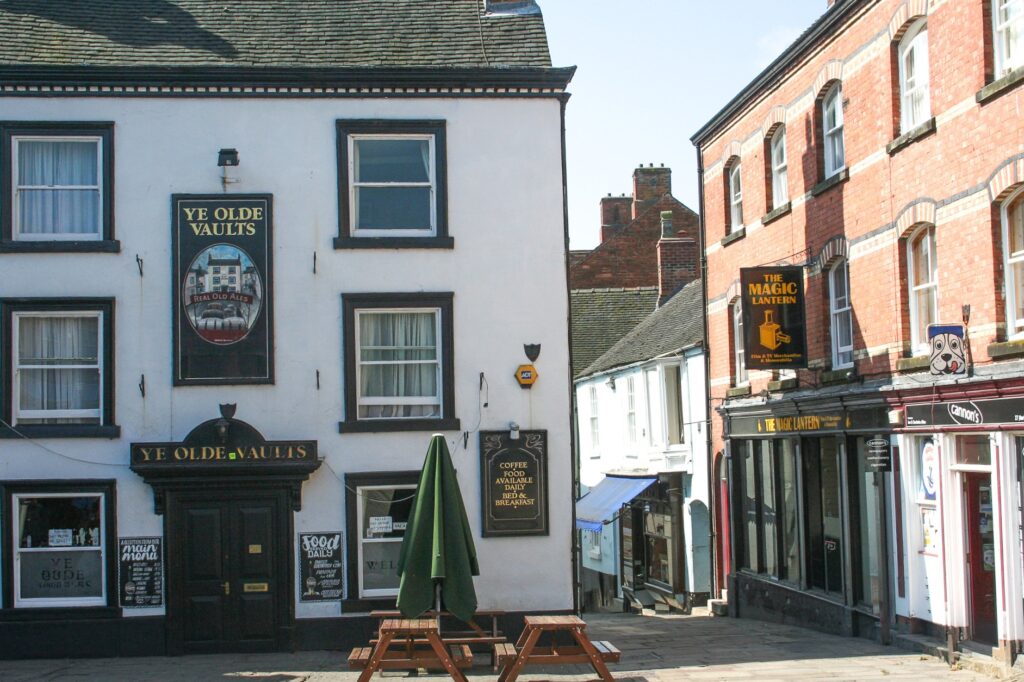
Ashbourne, Derbyshire
Ashbourne
Introduction: Sitting on the southern edge of the Peak District, Ashbourne is an attractive old market town where narrow streets, historic buildings, traditional pubs and unexpected little passageways reward anyone prepared to explore on foot.
Why visit: Ashbourne is much more than a convenient gateway to Dovedale and the Peak District. Its cobbled Market Place, Georgian buildings, independent shops and centuries of history make the town a destination in its own right. The Tissington Trail also begins on the edge of town.
Ben Trip tip: Don’t always point the camera at the grandest building in town. Wander down the side streets and look into the alleys and yards — quite often it’s the slightly untidy corners that tell you what a place really feels like.
Enland
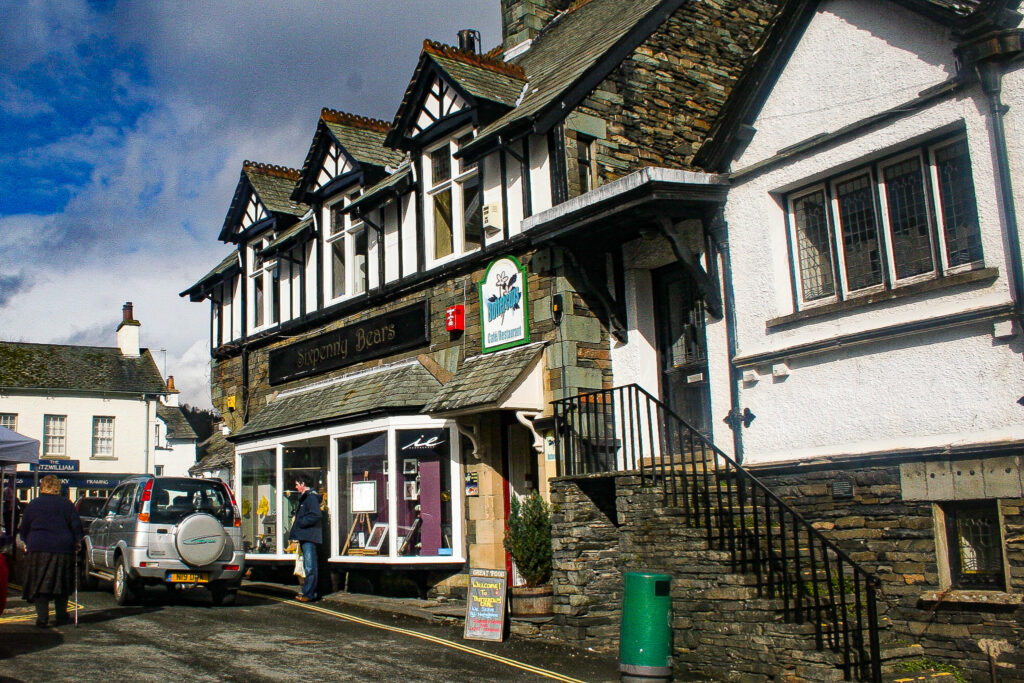
Hawkshead, Lake District, Cumbria
Hawkshead
With its whitewashed houses, old stone buildings, narrow streets and jumble of roofs and passageways, Hawkshead is one of those Lake District villages that rewards exploring slowly rather than simply driving through.
Why visit: Hawkshead combines traditional Lakeland character with a remarkable literary history. William Wordsworth went to school here, while Beatrix Potter later became closely associated with the surrounding countryside and lived nearby at Hill Top in Near Sawrey.
Ben Trip tip: Forget the grand landscape for an hour and photograph the village itself. Look for old shopfronts, crooked rooflines, stone walls and little alleyways — Hawkshead is one of those places where the interesting photograph may be just around the next corner.
England
Lyndhurst, New Forest, Hampshire
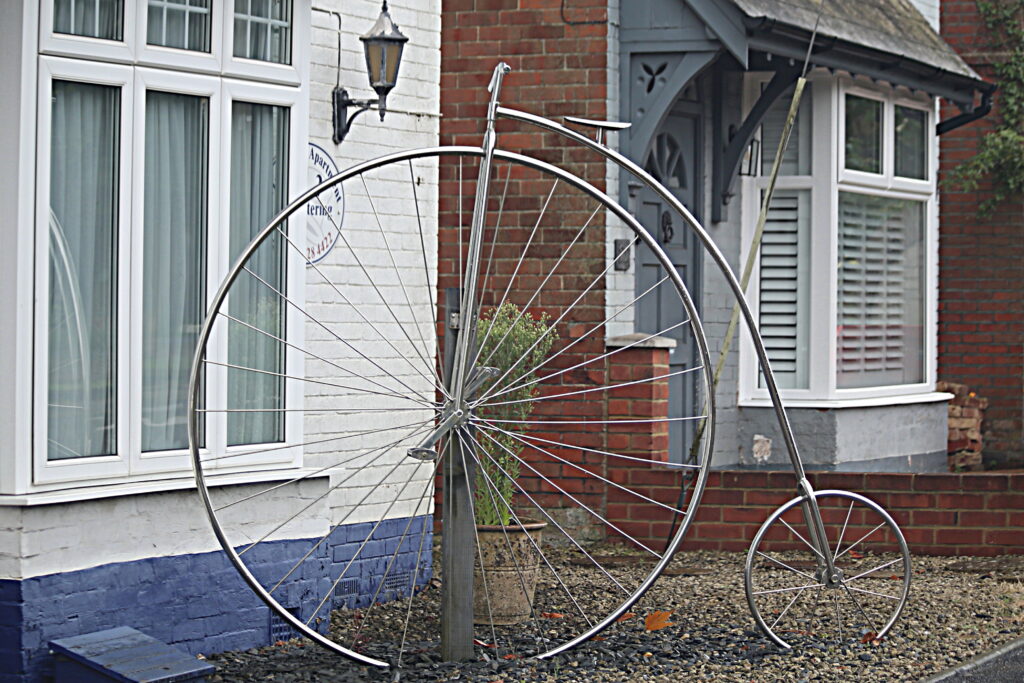
Parking Your Bike in Lyndhurst
Introduction: Lyndhurst may be known as the unofficial capital of the New Forest, but occasionally it’s the unexpected things beside the road that make you stop. This particular bicycle appears to require rather more parking space than most.
Why visit: Lyndhurst makes an excellent base for exploring the New Forest, with shops, cafés, history and walking and cycling routes leading out towards the surrounding countryside.
Ben Trip tip: Always look beyond the famous attractions. And if you decide to explore the New Forest by bicycle, Ben strongly recommends choosing one where your feet can actually reach the ground.
Wales
Porthmadog, Gwynedd, Wales
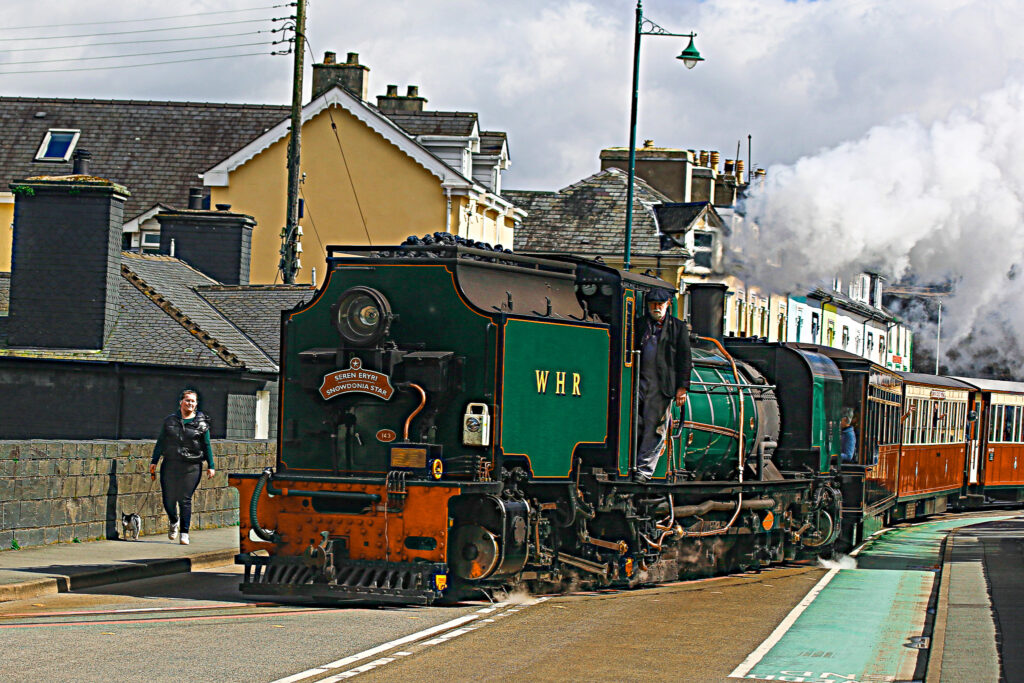
The Snowdonia Star
Introduction: There aren’t many places where you can encounter a mighty steam locomotive apparently travelling along the road with the traffic. At Porthmadog, the Welsh Highland Railway crosses through the town before continuing on its spectacular journey between Porthmadog and Caernarfon.
Why visit: The Welsh Highland Railway is Britain’s longest heritage railway, running for around 25 miles through some magnificent North Wales scenery. The journey passes through Beddgelert and the Aberglaslyn Pass and beneath the mountains of Eryri before eventually reaching Caernarfon.
Ben Trip tip: Don’t assume the best railway photograph has to be taken from a station platform. In Porthmadog, find yourself a safe position beside the route and wait for the extraordinary sight of a steam locomotive making its way through the town — just remember that the train has considerably more right of way than Ben does.
Isle of Wight
Yarmouth, Isle of Wight
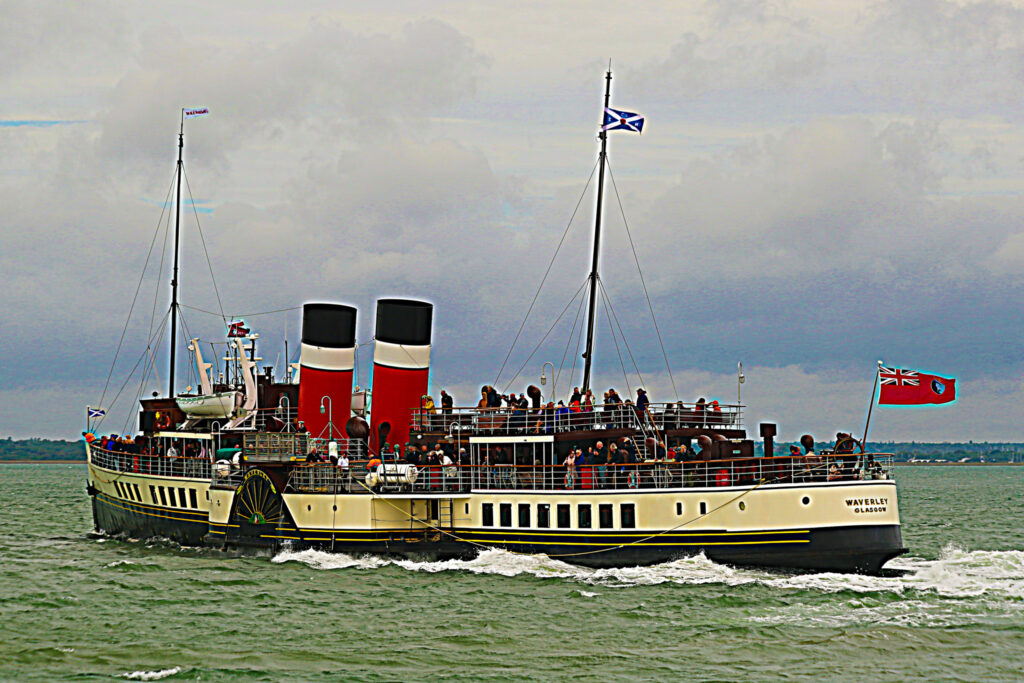
Waverley — The Last Seagoing Paddle Steamer
Introduction: There are some journeys where getting there is every bit as memorable as the destination. Here, the historic paddle steamer Waverley has just left Yarmouth on the Isle of Wight, her distinctive twin funnels and great paddle wheels recalling an era when coastal steamers were a familiar sight around Britain.
Why visit: Waverley is no museum piece. Built in 1946, she survives as the world’s last seagoing paddle steamer and continues to carry passengers on excursions around Britain’s coastline. Yarmouth remains one of her Isle of Wight departure points, making it possible to experience a form of travel that has almost completely disappeared.
Ben Trip tip: If Waverley is sailing while you’re visiting the coast, don’t just photograph her alongside the pier. Find a viewpoint along her route and wait until she’s under way — paddle wheels turning, flags flying and a little smoke above those famous funnels. Better still, forget the photograph for a day and buy a ticket.
England
Herefordshire
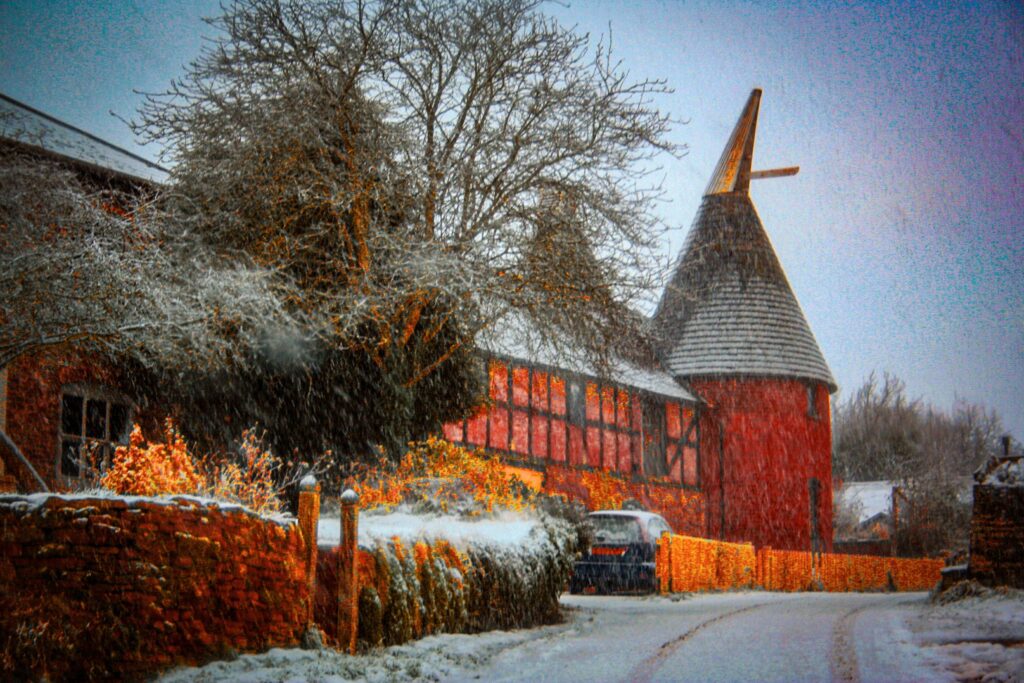
A Herefordshire Hop Kiln
Introduction: Sometimes the most interesting discoveries aren’t marked on the tourist map. Travelling along a Herefordshire country road during a winter snowfall, I came across this remarkable old hop kiln, its distinctive conical roof and cowl standing above the surrounding farm buildings.
Why visit: Hop growing was once an important part of rural life in Herefordshire, and traditional hop kilns were built to dry the freshly picked crop before it was sent to breweries. Many survive today, although quite a few have found new uses. They remain one of the county’s most distinctive reminders of its agricultural past.
.Ben Trip tip: Not every photograph gives you time to find the perfect viewpoint. I spotted this old hop kiln just after rounding a bend on a snowy Herefordshire country road. With other traffic to consider, there was no time to carefully compose the picture. Sometimes you simply have to take the photograph that’s available — because a few seconds later the opportunity may be gone.
Cornwall
Helston, Cornwall
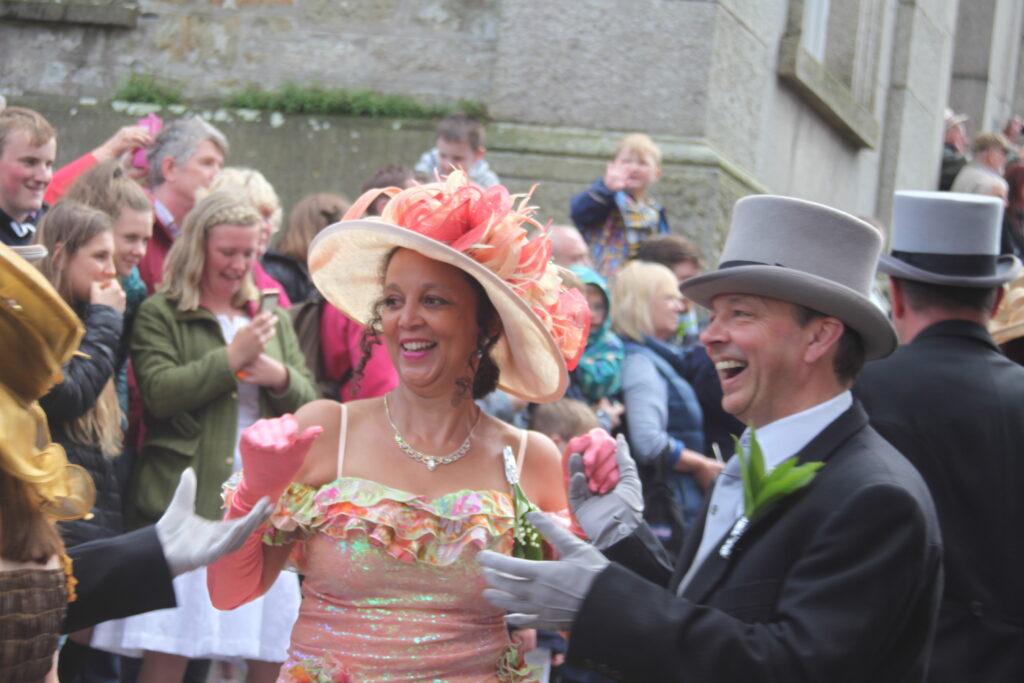
Helston Flora Day
Introduction: Every May, the Cornish town of Helston comes alive for one of Britain’s most colourful traditional celebrations. On Flora Day, dancers make their way through the streets accompanied by Helston Town Band, continuing a custom whose origins stretch back centuries.
Why visit: Flora Day isn’t something staged simply for visitors. It is a deeply rooted Helston tradition celebrating the coming of spring. Several dances take place during the day, but the famous Midday Dance is perhaps the grandest spectacle, with elegant dresses and hats matched by gentlemen in formal morning dress and top hats.
Ben Trip tip: Don’t spend the whole day trying to photograph the procession itself. Watch the dancers’ faces as well. The smiles, laughter and reactions of the crowd often tell the story of an event better than a perfectly arranged photograph ever could.
Shropshire
Bridgnorth, Shropshire
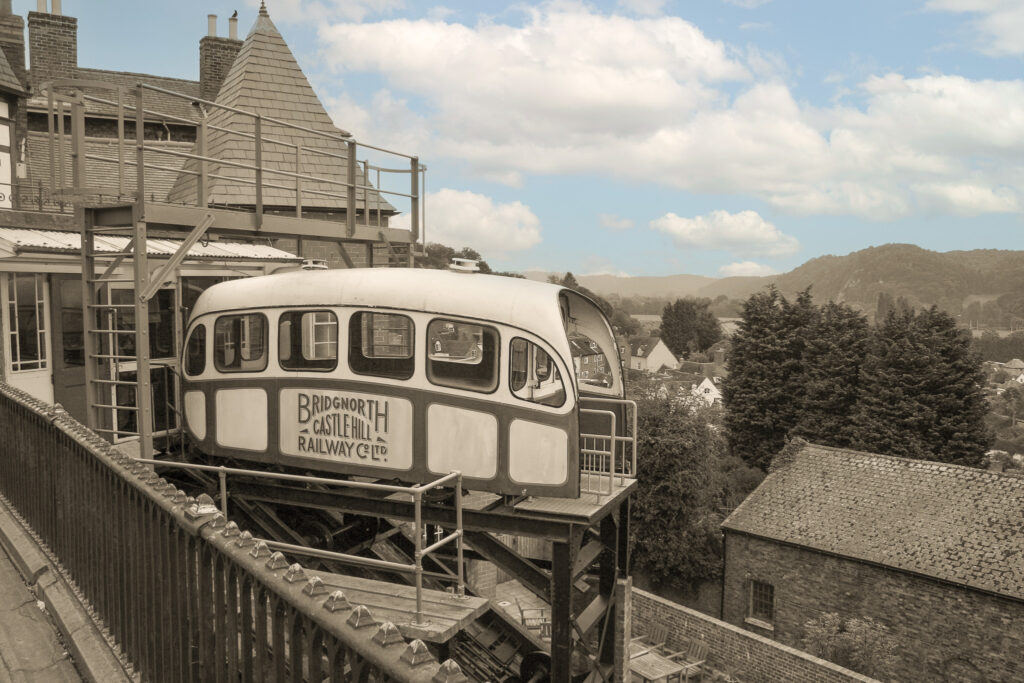
Bridgnorth Cliff Railway
Introduction: Bridgnorth is famously divided into High Town and Low Town, separated by a steep sandstone cliff above the River Severn. Since 1892, an ingenious funicular railway has provided a rather more enjoyable way of travelling between the two than tackling the steps.
Why visit: The Bridgnorth Cliff Railway is England’s oldest and steepest inland electric funicular railway. Two cars operate on parallel tracks, counterbalancing one another as one climbs and the other descends. Originally powered by water and gravity, the railway was later converted to electric operation.
Ben Trip tip: Ride it both ways. The journey may be short, but don’t rush away when you reach the top. Bridgnorth’s High Town, castle remains and views across the surrounding Shropshire countryside make the railway the beginning of the visit rather than th
Devon
Plymouth, Devon
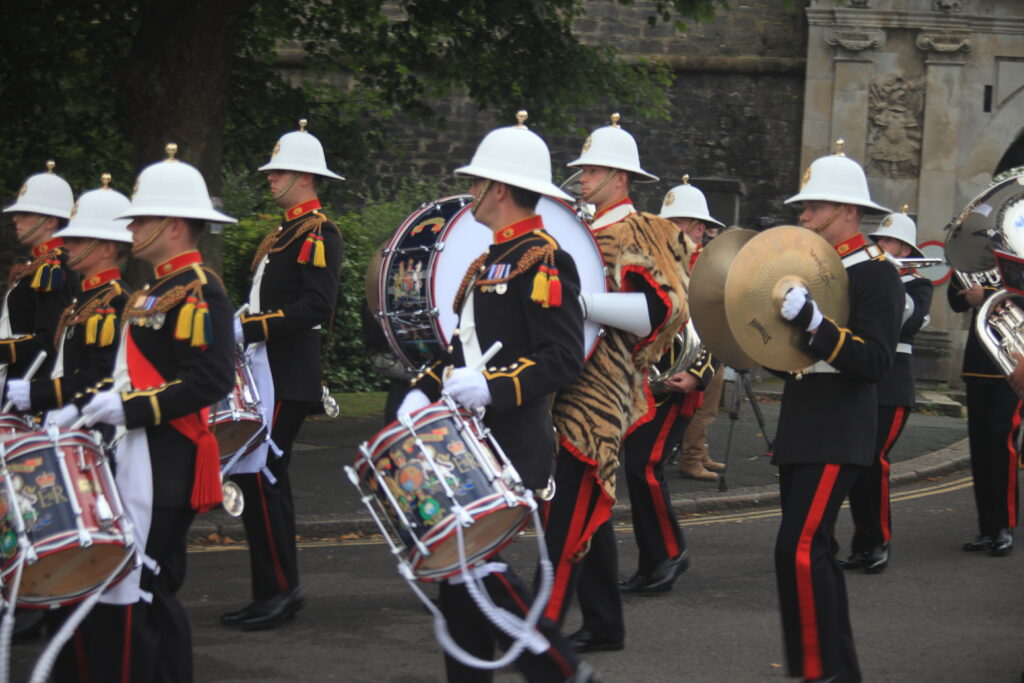
29 Commando at the Royal Citadel, Plymouth
Standing high above Plymouth Sound, the Royal Citadel has guarded this important naval city for centuries. Today it is home to 29 Commando Regiment Royal Artillery, the Commando-trained gunners who provide artillery support to the UK’s Commando forces.
Why visit: The Citadel is one of Plymouth’s great historic landmarks, but occasionally its military role becomes much more visible. Ceremonial occasions and parades can bring military music, uniforms and centuries of tradition out beyond the Citadel walls and onto the streets of Plymouth.
Ben Trip tip: When photographing a parade, don’t concentrate entirely on getting a perfectly arranged line of people. Watch for the little things happening within it — a drummer turning his head, the flash of a cymbal, expressions, medals and the movement of the uniforms. Those moments often tell the story better than the formal parade photograph.
Northumberland
Holy Island, Northumberland
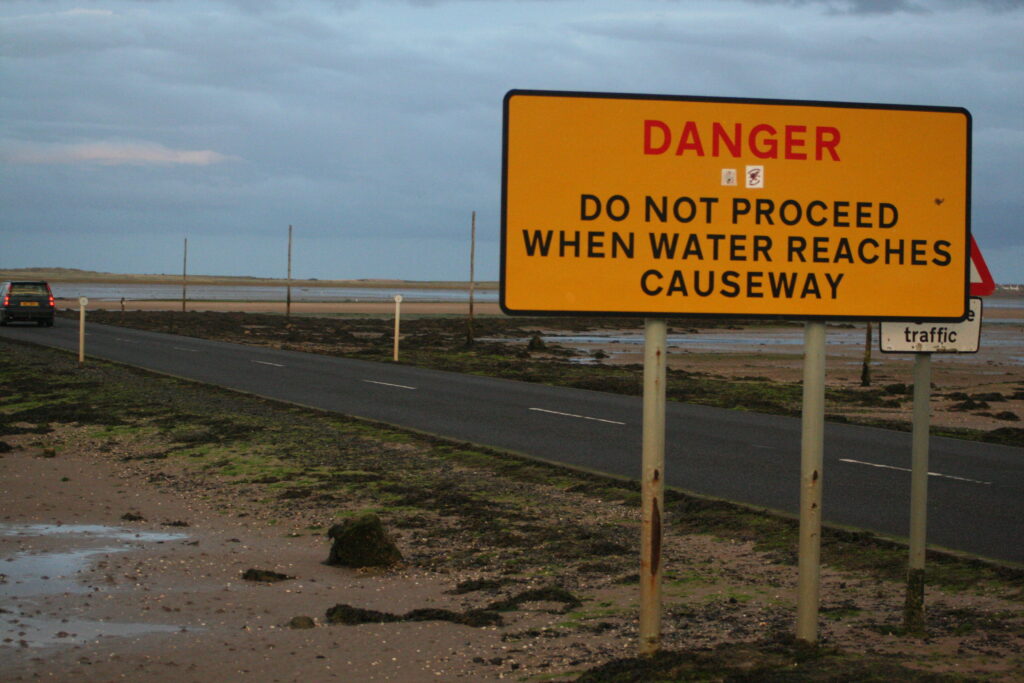
The Tidal Road to Lindisfarne
Getting to Lindisfarne is part of the adventure. Holy Island is connected to the Northumberland mainland by a tidal causeway which disappears beneath the North Sea at high tide. Visitors can drive across — but only when the tide allows.
Why visit: Lindisfarne combines dramatic coastal scenery with centuries of history, including Lindisfarne Priory and Lindisfarne Castle. But unlike most destinations, simply getting there requires a little planning. The changing tide cuts the island off from the mainland twice each day.
Ben Trip tip: That big yellow sign isn’t there for decoration! Always check the official safe crossing times before setting off and never attempt to cross once the water reaches the causeway. Allow plenty of time for your return journey too — getting to Holy Island is easy; getting stranded there wasn’t necessarily part of your itinerary.
Cornwal
Torpoint, Cornwall
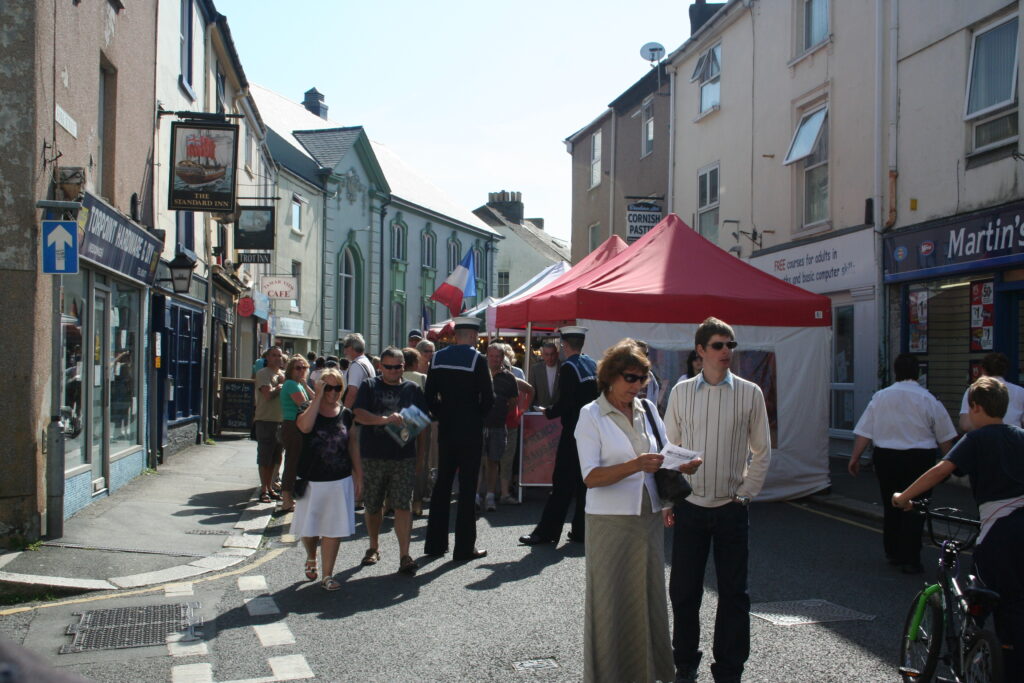
Market Day in Torpoint
Torpoint sits on the Cornish side of the River Tamar, directly across the water from Plymouth. It is a town where everyday life and the Royal Navy have been closely intertwined for generations, largely through the presence of nearby HMS Raleigh.
This photograph captures that relationship rather nicely — a busy market day, local residents browsing the stalls and Royal Navy personnel simply becoming part of the street scene.
Why visit: Torpoint is often treated as somewhere to pass through on the way between Plymouth and south-east Cornwall, but that misses part of its character. Its naval connections, waterfront setting and famous chain ferry across the Tamar give the town an identity quite different from Cornwall’s better-known holiday resorts.
Ben Trip tip: Don’t always point the camera at the obvious tourist attraction. Sometimes a photograph of an ordinary street on an ordinary day tells you far more about a place. Here, the sailors amongst the shoppers give us a small clue to just how closely Torpoint and the Royal Navy are connected.
Cornwall
North Cornwall
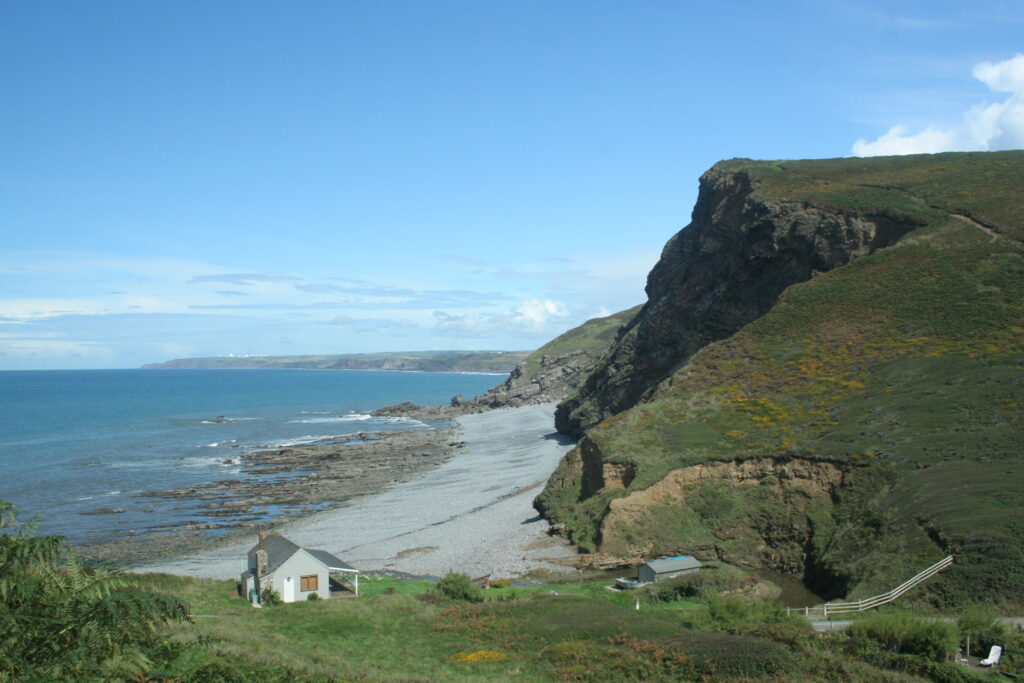
Millook Haven
Tucked away on the rugged coast between Bude and Boscastle, Millook Haven is a wonderfully secluded little cove surrounded by dramatic cliffs. It is quite different from the busy sandy resorts that many people associate with a Cornish holiday.
Why visit: Come here for the scenery rather than seaside amusements. The rocky shoreline, folded cliffs and South West Coast Path make Millook particularly rewarding for walkers, photographers and anyone who enjoys discovering Cornwall’s quieter corners.
Ben Trip tip: Some of Cornwall’s most memorable places aren’t the ones with enormous car parks, cafés and souvenir shops. Millook is a good example. Take your time, explore the viewpoints and remember that sometimes the best view of a beach is from above it rather than on it.
Wales
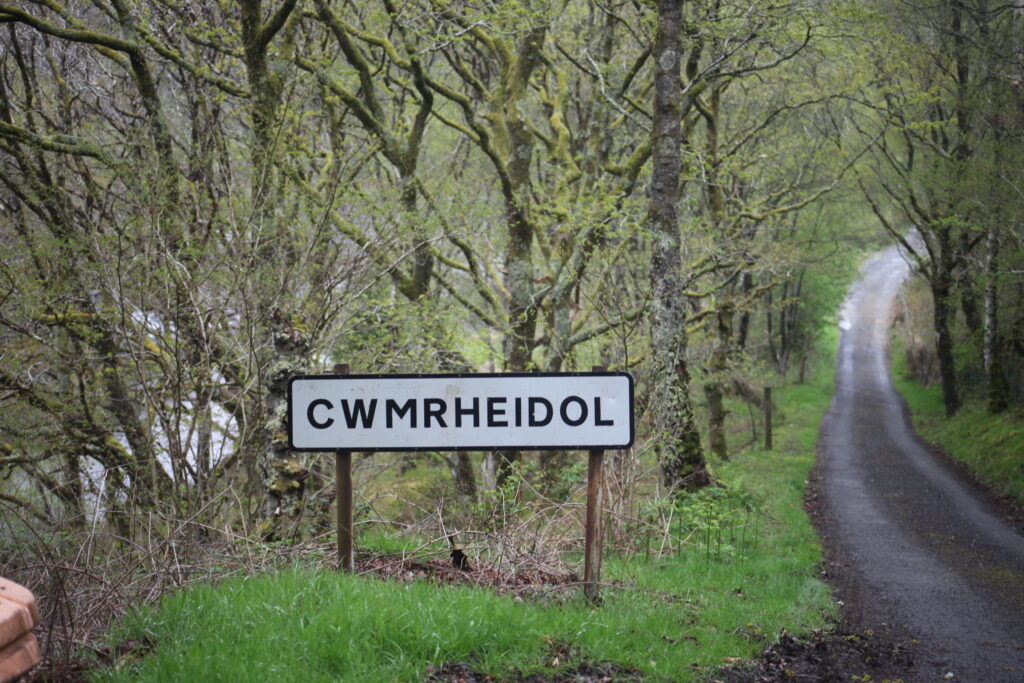
The road through Cwm Rheidol, Mid Wale
Cwm Rheidol – Into the Welsh Hills
Introduction
Hidden in the wooded Rheidol Valley near Aberystwyth, Cwm Rheidol is the sort of place where the journey becomes part of the destination. Narrow lanes wind through thick woodland, waterfalls tumble down the valley and the surrounding hills create one of those wonderfully secluded corners of Mid Wales.
The valley is perhaps best known to visitors because of the historic Vale of Rheidol Railway, whose steam trains make their way from Aberystwyth through the valley towards Devil’s Bridge.
Why visit:
This is countryside for people who enjoy exploring rather than simply arriving. The Rheidol Valley offers woodland, mountain scenery, waterfalls, walking and plenty of opportunities for photography. Nearby Devil’s Bridge adds its famous bridges and waterfalls, while the steam railway provides a completely different way of seeing the landscape.
But don’t overlook the little roads themselves. Sometimes a narrow Welsh lane disappearing around the next bend can be every bit as inviting as the attraction at the end of it.
Ben Trip tip:
When a road starts looking like this, slow down and enjoy it. You may not know exactly what is around the next corner — which is rather the point.
And keep your camera somewhere you can reach it. Wales has an unfortunate habit of producing a photograph just after you’ve packed it away.
Wales
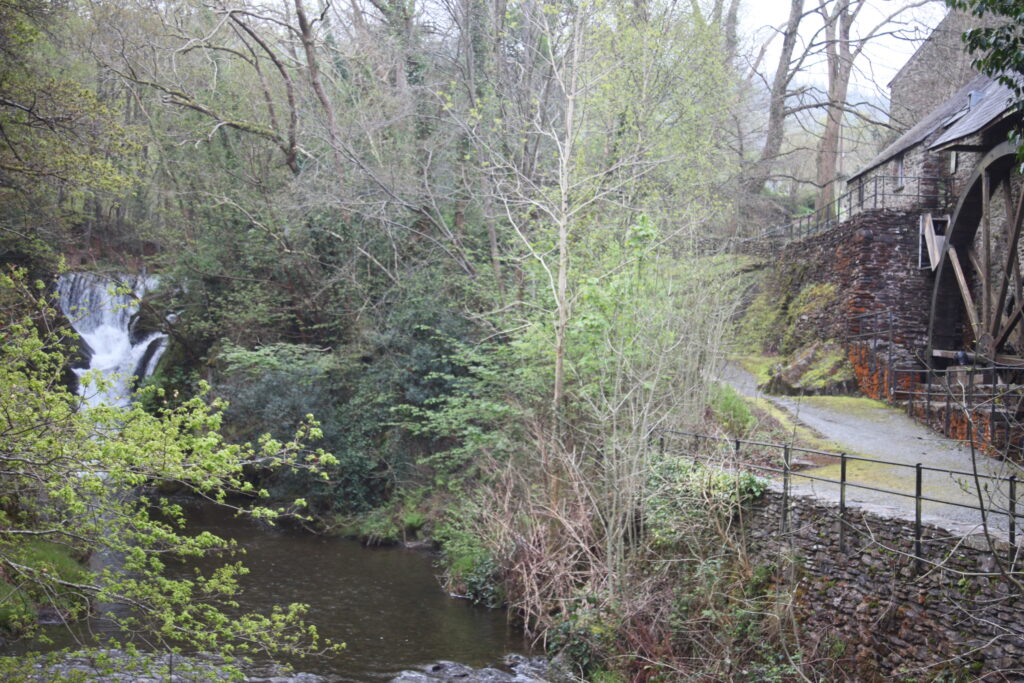
Dyfi Furnace, Ceredigion
Hidden amongst the trees beside the River Einion, Dyfi Furnace is one of those places you could easily pass without realising what lies just off the road. Today it is a peaceful woodland setting of rushing water, old stonework and the remains of an extraordinary industrial past.
The furnace was built in the 18th century for smelting iron ore, with water power playing an important part in its operation. Long after the noise and industry disappeared, the waterfall, waterwheel and surviving buildings remain — creating a fascinating little reminder that even some of Wales’s quietest valleys once had a very different purpose.
Why visit: This isn’t somewhere that needs half a day and a complicated itinerary. It is the sort of small historic place that can make a journey more interesting simply because you stopped to investigate it. The combination of woodland, water and industrial archaeology also makes it particularly rewarding for photographers.
Ben Trip tip: Some of the most interesting places aren’t the ones you set out to visit. If you spot an old building, an unusual sign or something intriguing beside a country road, don’t automatically drive past. When it is safe to stop, have a look. You may discover something far more interesting than whatever was on today’s itinerary.
Exmoor
“Sometimes the locals are already waiting when you arrive.
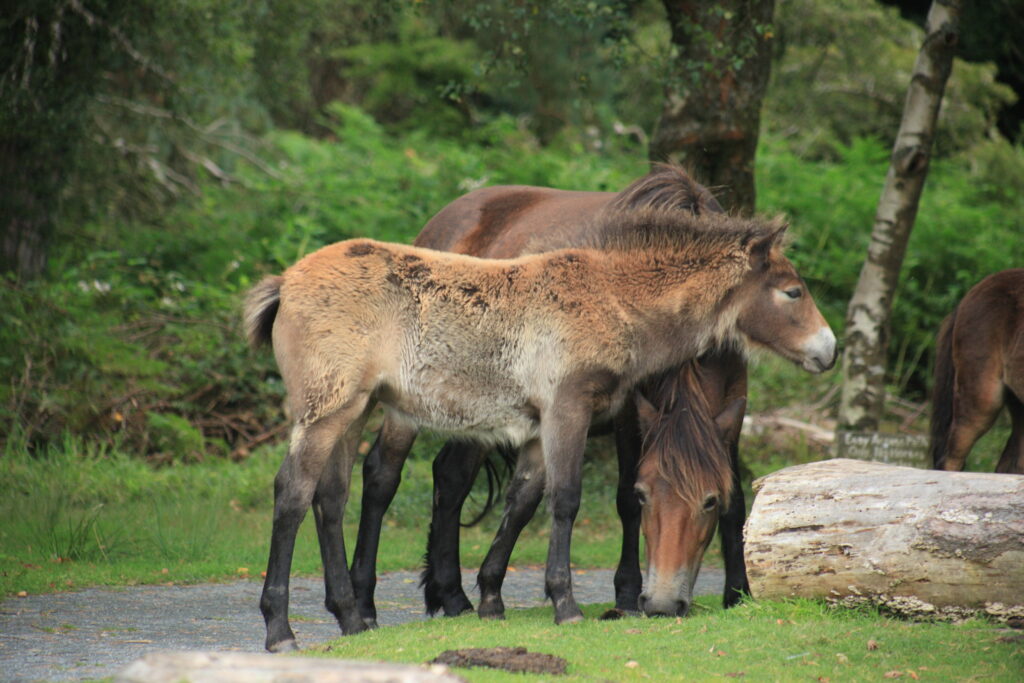
Exmoor Ponies
One of the pleasures of exploring Exmoor is coming across its famous native ponies. They have lived on the moor for centuries and are remarkably well adapted to the sometimes unforgiving conditions of this beautiful part of south-west England.
Seeing them at close quarters can be one of those unexpected moments that turns an ordinary drive or walk across the moor into something rather special.
Why visit: Exmoor isn’t simply somewhere to drive through on the way to somewhere else. Its open moorland, wooded valleys, villages and dramatic coastline make it worth exploring in its own right — and encountering the ponies roaming the landscape adds another dimension altogether.
Ben Trip tip: The ponies may look wonderfully approachable, particularly when youngsters are around, but remember that they are not there for our benefit. Enjoy them, photograph them and give them plenty of space. A longer camera lens is much better than trying to get closer.
Northumberland
The Royal Border Bridge
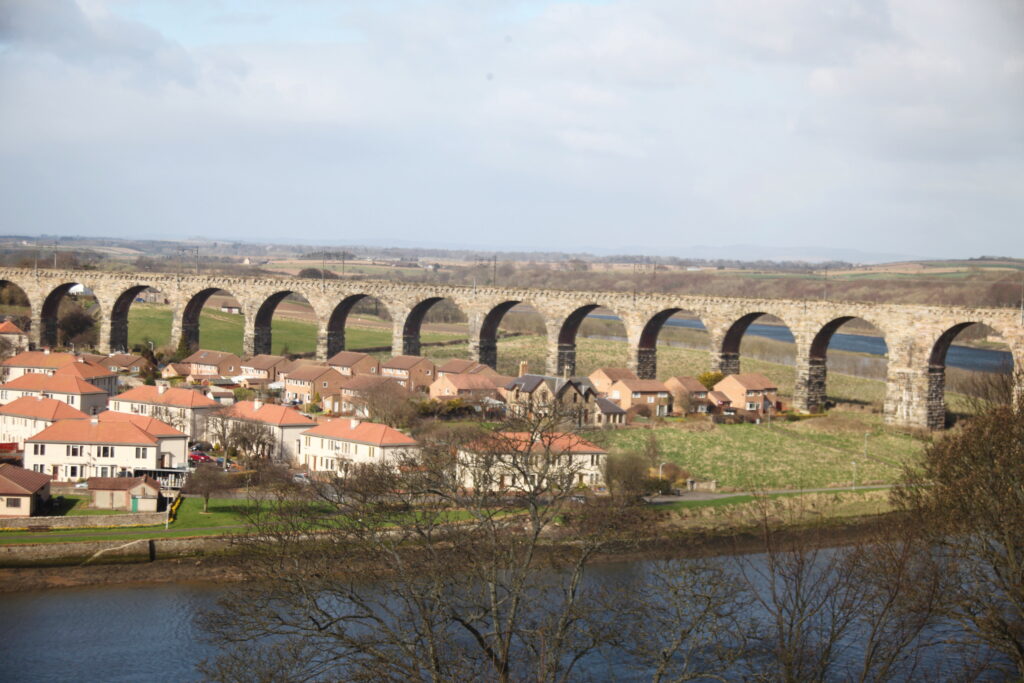
The Royal Border Bridge, Berwick-upon-Tweed
Stretching high above the River Tweed, the Royal Border Bridge is one of those pieces of Victorian engineering that seems almost too grand simply to carry trains.
Opened in 1850, the magnificent railway viaduct carries the East Coast Main Line across the Tweed at Berwick-upon-Tweed. Its long procession of stone arches has become one of the defining sights of the town and an impressive reminder of the extraordinary ambition of Britain’s Victorian railway builders.
Why visit: Berwick itself deserves time rather than simply being passed on the A1. Its historic walls, bridges, riverside and position close to the Scottish border give it a character quite unlike most English towns. The Royal Border Bridge adds another spectacular landmark to explore and photograph.
Ben Trip tip: When photographing something enormous, don’t always try to remove everything else from the picture. Houses, people, boats or trees can provide the scale that tells the viewer just how big the structure really is.
That final point is particularly appropriate to your photograph. Had you zoomed in tightly and photographed nothing but the arches, we would actually have lost something. Those apparently ordinary houses underneath are what make me appreciate the engineering.
And there’s a nice Ben Trip thought lurking here too:
Sometimes the things underneath the attraction are what tell you how impressive the attraction really is
Devon
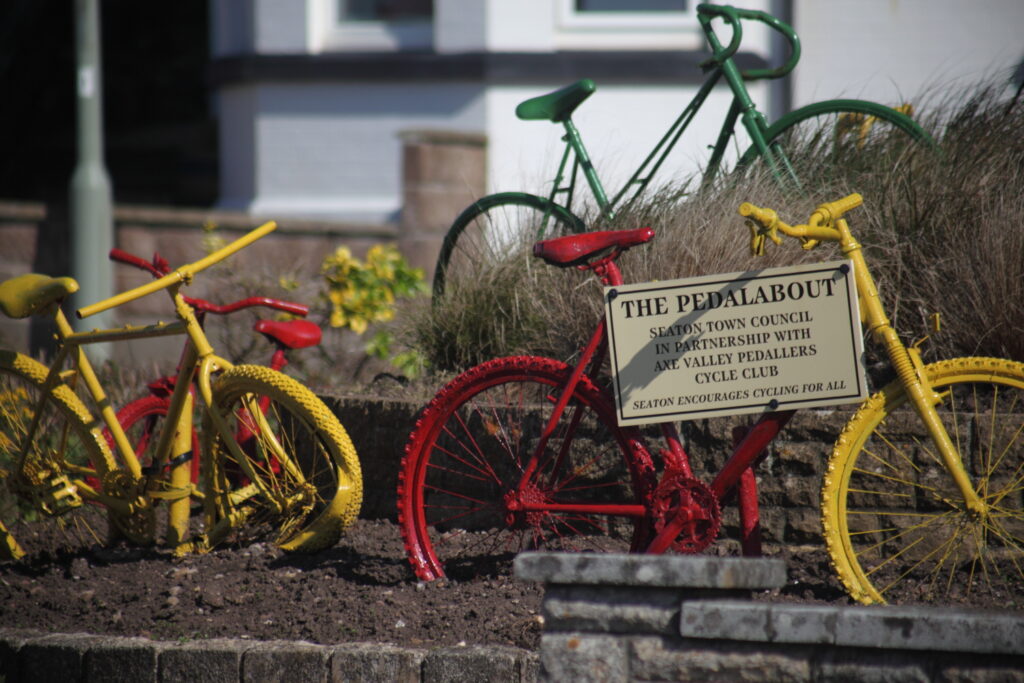
The Pedalabout.
The Pedalabout — Seaton, Devon
You don’t always need a famous landmark to make somewhere memorable. Sometimes three brightly painted bicycles will do the job perfectly well.
While exploring Seaton on the East Devon coast, this unusual display caught my attention. Appropriately named The Pedalabout, it was created by Seaton Town Council in partnership with the Axe Valley Pedallers Cycle Club to encourage cycling.
It is exactly the sort of small, slightly eccentric feature that makes wandering around Britain’s towns worthwhile.
Why visit: Seaton sits on the Jurassic Coast and makes a good base for exploring this part of East Devon. But don’t spend the whole visit looking towards the sea. Wander around the town itself and you may discover little details that never appear in the holiday brochures.
Ben Trip tip: When you’re travelling with a camera, keep looking for the things that weren’t on your list. Famous landmarks will probably still be there tomorrow. Three bicycles painted red, yellow and green might not be.
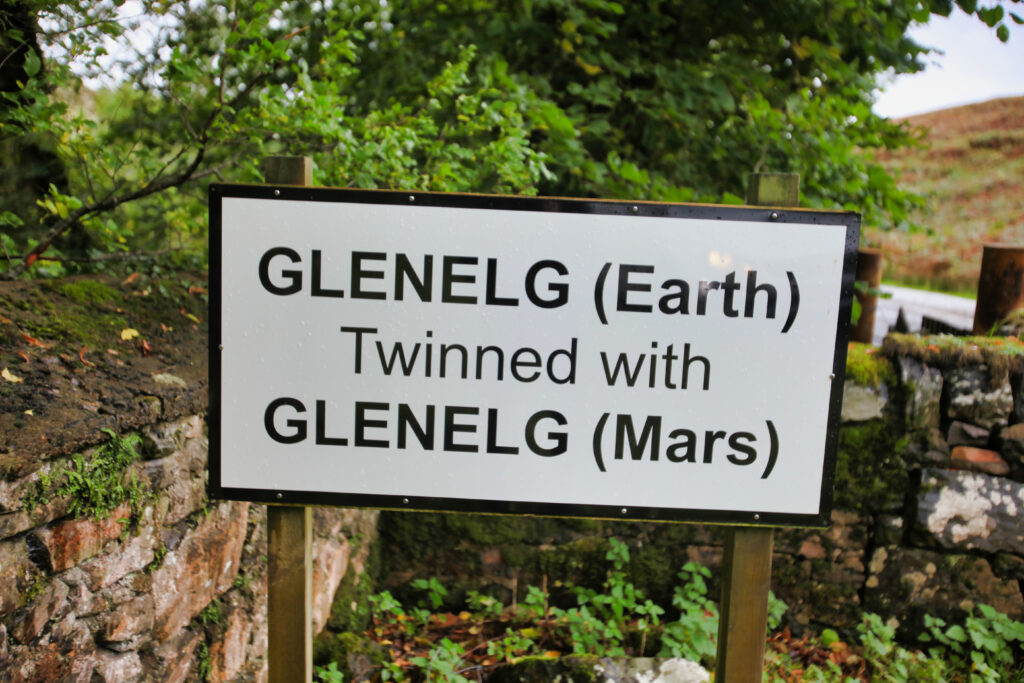
Scotland and Mars
GLENELG (Earth) — Twinned with GLENELG (Mars)
Glenelg — the Scottish village with an out-of-this-world twin
You expect Scottish villages to be twinned with towns in France, Germany or perhaps Scandinavia. Glenelg went a little further afield — about 140 million miles further afield.
When NASA’s Curiosity rover was heading towards a site on Mars named Glenelg, the Highland community of Glenelg celebrated the connection by declaring itself twinned with its Martian namesake.
It must surely be one of Britain’s more unusual twinning arrangements — although popping over to visit the twin town for the weekend could prove difficult
Cornwall
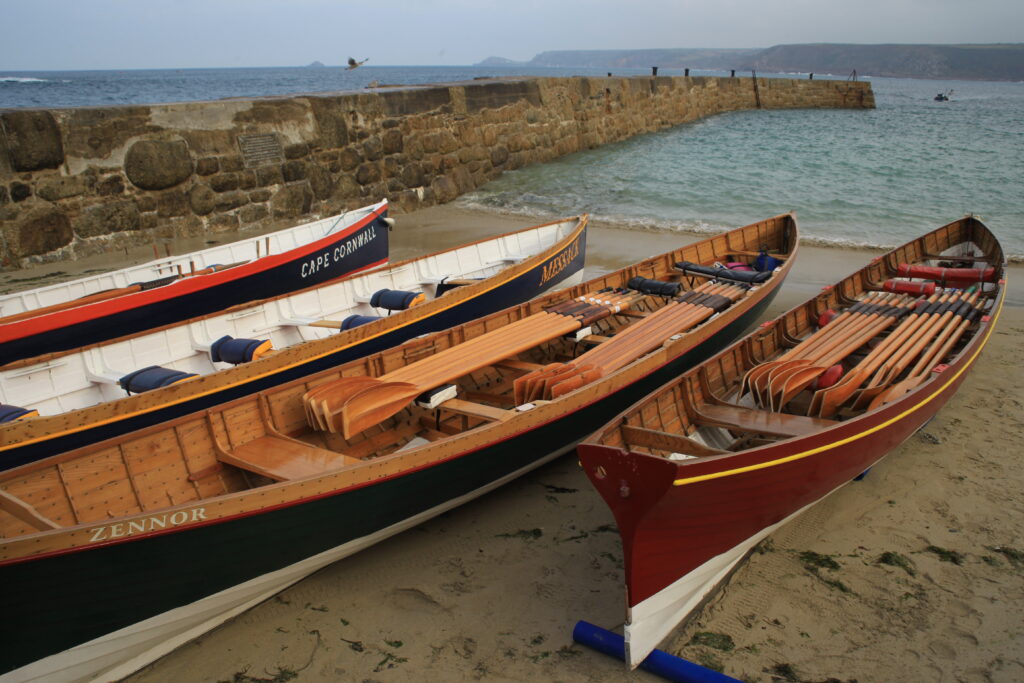
Cornish Pilot Gigs — Sennen Cove, Cornwall
Drawn up on the beach at Sennen Cove, these traditional Cornish pilot gigs are being prepared for racing.
Long before gig racing became a popular Cornish sport, boats of this type had a much more serious purpose. Crews would race out from the coast to approaching ships, competing to put a local pilot aboard first and win the job of guiding the vessel safely into harbour.
Today that working tradition survives through competitive gig racing, with six-oared wooden boats and their crews keeping an important part of Cornwall’s maritime heritage alive.
Seen close up on the shore, the craftsmanship is every bit as impressive as the racing — beautifully built wooden hulls, long banks of oars and boats carrying names closely associated with the Cornish coast.
Cornwall
Sennen Cove, Cornwall
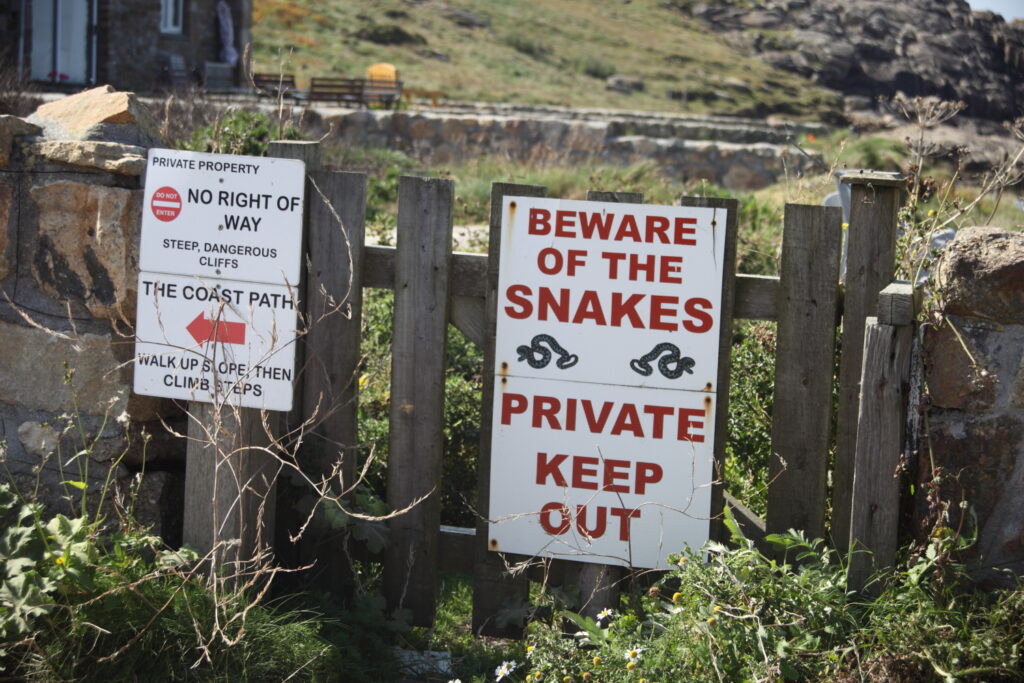
Beware of the Snakes!
Sometimes the signs you find while travelling are almost as memorable as the places themselves.
This collection of warnings certainly caught my attention. Private Property. No Right of Way. Steep Dangerous Cliffs. And, just in case that wasn’t enough to persuade you to take the proper coast path — BEWARE OF THE SNAKES!
The photograph is a good reminder that when exploring Britain’s coastline, the most interesting route isn’t necessarily the one through the gate. Follow the signs, stick to the recognised path and enjoy the scenery safely.
Ben’s Tip: When walking the coast, always take notice of local warning signs. Cliff edges can be unstable, paths can become hazardous surprisingly quickly — and apparently, every now and again, somebody may even throw snakes into the argument!